A tree that looks unhealthy doesn't always need to be removed—but once a tree is truly dead, it cannot be brought back to life. The challenge is knowing the difference between a stressed tree, a dying tree, and a dead tree. Identifying the warning signs early can sometimes save the tree, while delaying action with a dead tree can create serious safety risks.
For homeowners in Bergen County and Passaic County, NJ, understanding the condition of your trees is the first step toward protecting your property and making the right tree care decision.
What's the Difference Between a Dying Tree and a Dead Tree?
Many people assume a tree without leaves is dead, but that's not always true. Some trees simply experience stress due to drought, pests, disease, or severe weather.
A
dying tree may still have healthy tissue and can often recover with proper care.
A
dead tree, however, has permanently stopped growing and cannot regenerate.
Knowing which condition you're dealing with requires a careful inspection by a qualified tree care professional.
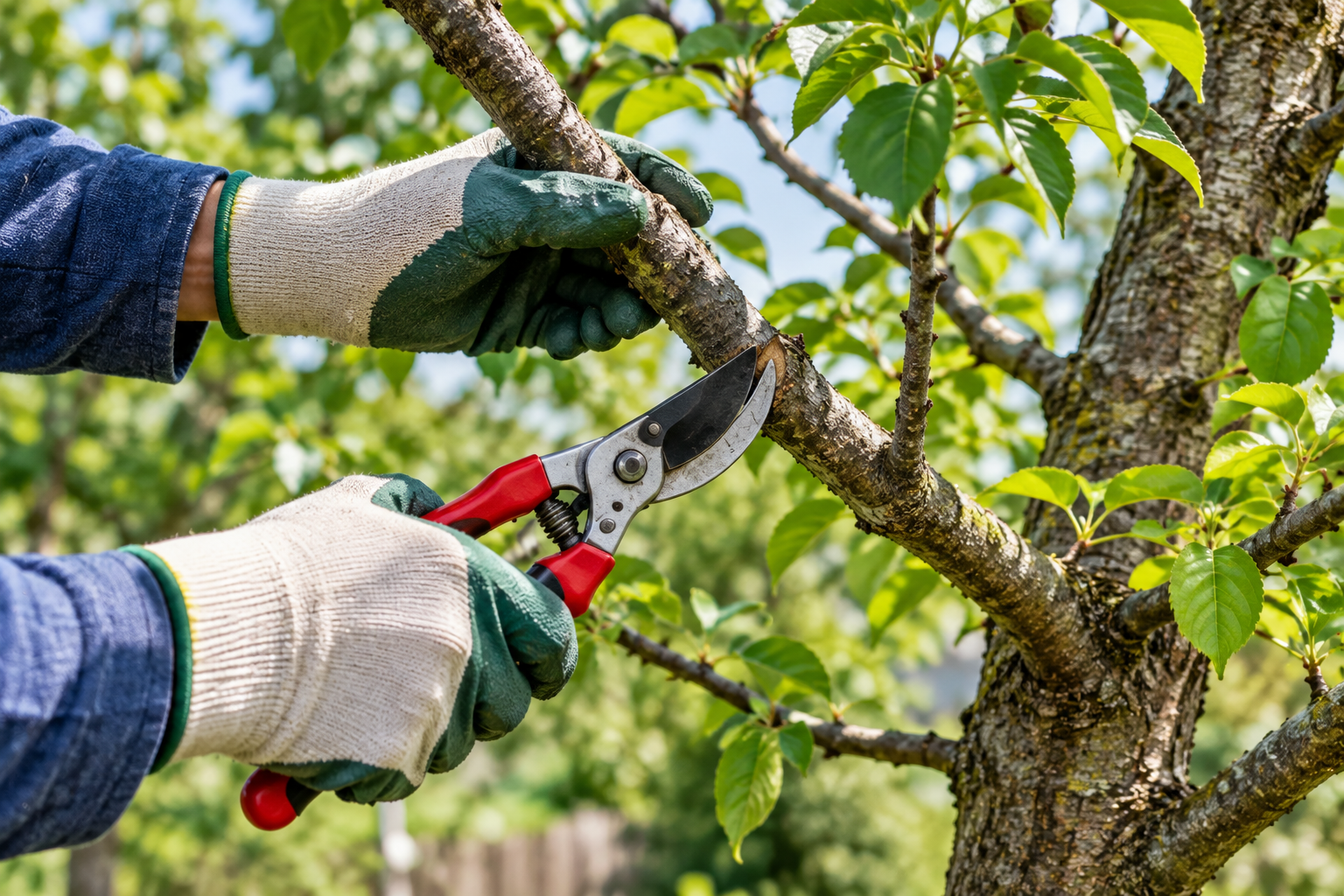
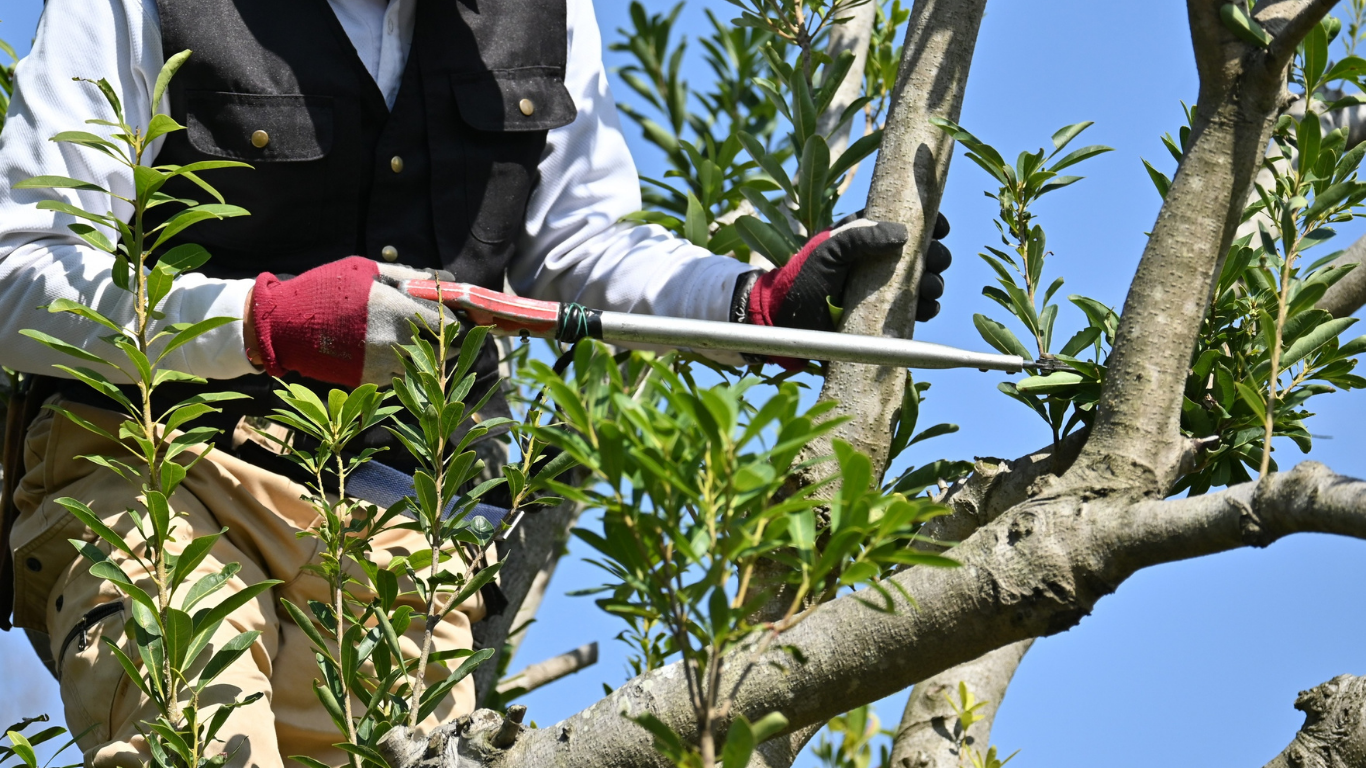
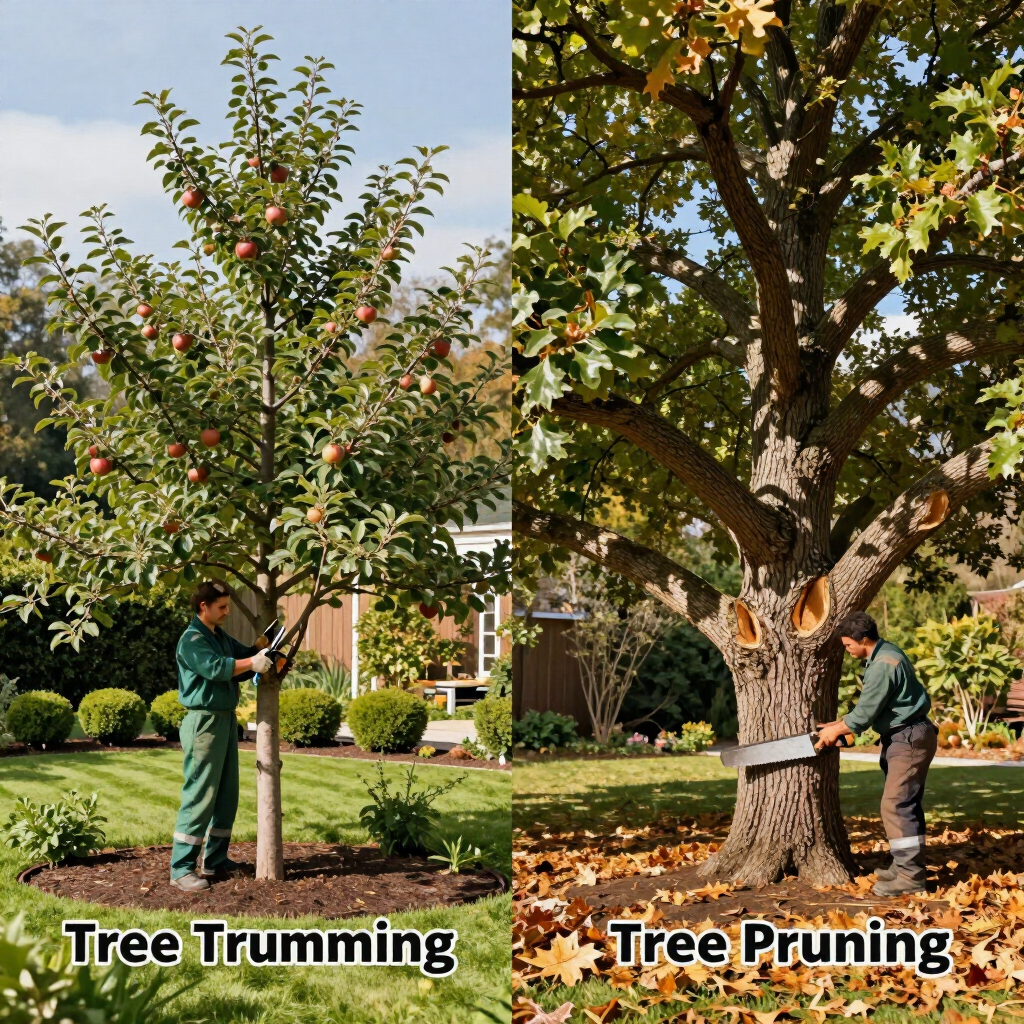
Our professional pruning services remove damaged and diseased branches while improving tree health, encouraging healthy growth, and reducing safety risks around your property.
Signs a Tree May Still Be Saved
Some warning signs don't necessarily mean removal is required.
Sparse Leaves
If only part of the canopy has thin foliage, the tree may simply be stressed.
Minor Branch Dieback
A few dead limbs can often be removed through professional pruning.
Seasonal Stress
Hot summers, drought, or unusually wet conditions may temporarily affect tree health.
Small Areas of Bark Damage
Minor bark injuries can sometimes heal naturally.
With early intervention, professional pruning and proper maintenance may help restore the tree's health.
The ISA offers expert information on proper tree care, pruning techniques, and recognizing early signs of tree decline before they become serious problems.
Signs a Tree Is Dead
Unfortunately, dead trees cannot recover and usually become more dangerous over time.
No Leaves During the Growing Season
If nearby trees have fully leafed out while yours remains bare, this is often a serious warning sign.
Brittle Branches
Dead branches snap easily instead of bending.
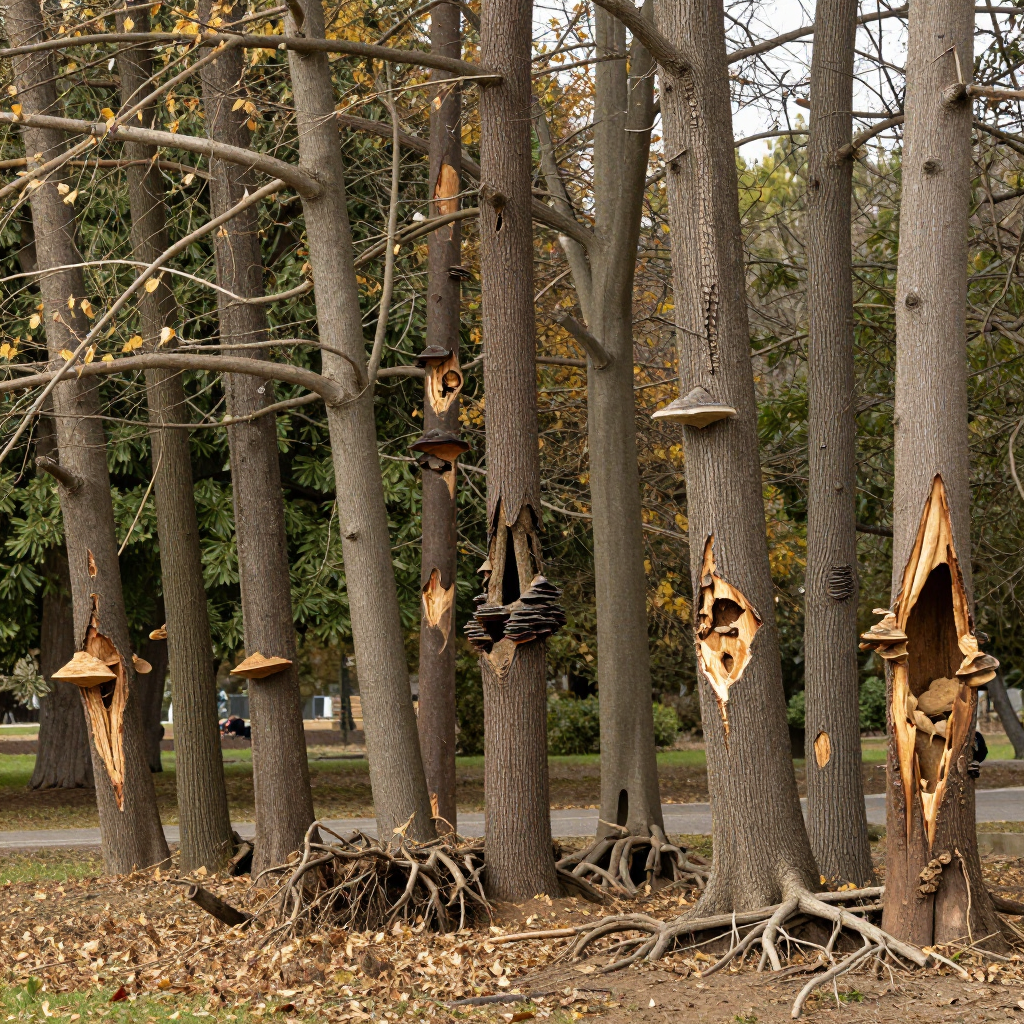
Peeling or Missing Bark
Large sections of bark falling away may indicate advanced decline.
Deep Cracks in the Trunk
Structural cracks weaken the tree and increase the likelihood of failure.
Fungal Growth
Large mushrooms or fungal conks growing near the base often indicate internal decay.
Hollow Sections
Extensive hollow areas reduce the tree's structural strength.
When several of these symptoms appear together, removal is often the safest solution.
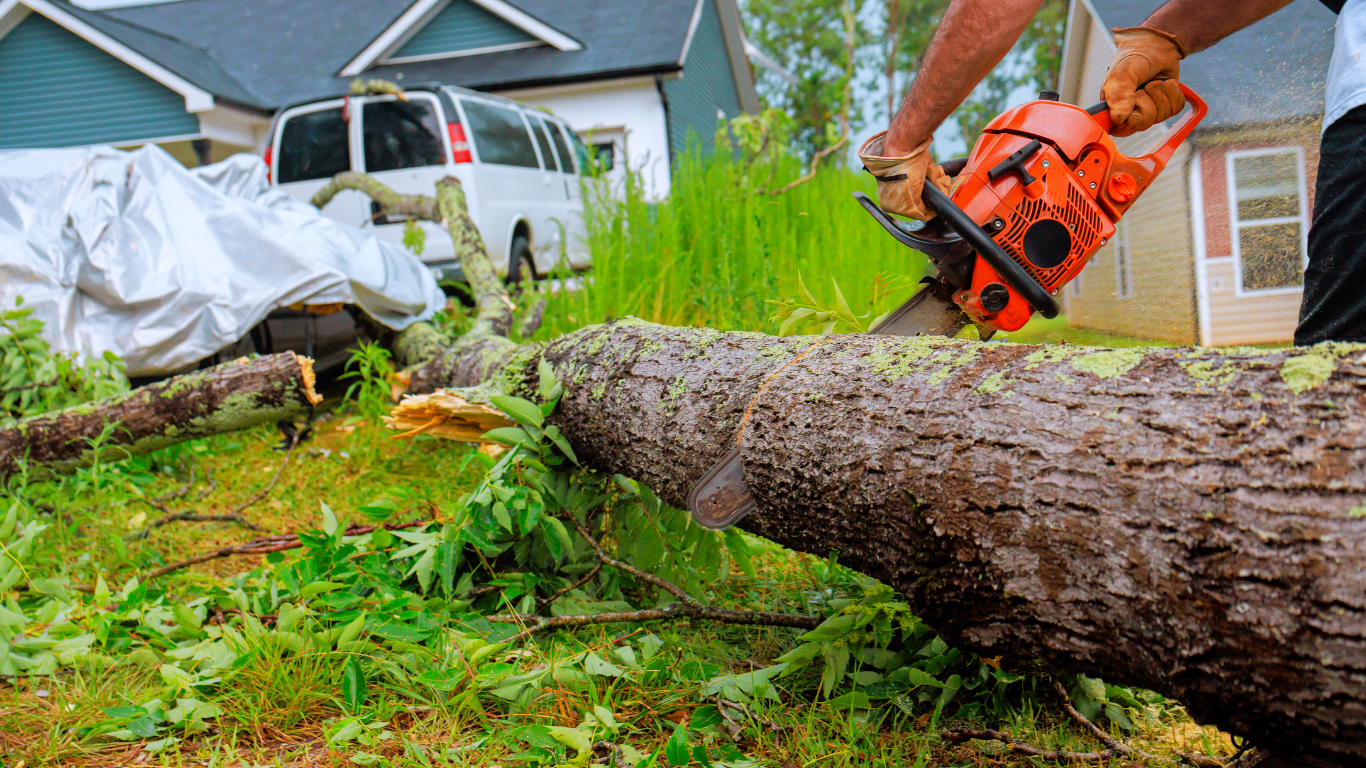
If a tree is
no longer structurally sound, our experienced team can safely remove it while protecting your home, landscaping, and surrounding property.
What Causes Trees to Die?
Several factors contribute to tree decline in northern New Jersey.
Disease
Fungal infections and bacterial diseases can weaken trees over time.
Insect Infestations
Wood-boring insects and invasive pests may severely damage healthy trees.
Storm Damage
High winds, lightning, heavy snow, and ice storms often cause structural damage that trees cannot recover from.
Root Damage
Construction, excavation, or soil compaction can destroy a tree's root system.
Age
Like all living things, trees eventually reach the end of their natural lifespan.
Understanding the underlying cause helps determine whether treatment is possible.
Why Dead Trees Shouldn't Be Ignored
Leaving a dead tree standing may seem harmless, but it creates increasing risks over time.
Potential hazards include:
- Falling branches
- Complete tree failure
- Roof damage
- Vehicle damage
- Injuries to people or pets
- Damage to neighboring properties
- Attraction of insects and pests
Dead trees become more unstable each year, especially after storms.
Prompt removal helps reduce liability and protect your property before an accident occurs.
Can Professional Pruning Save a Dying Tree?
In many situations, yes.
If the tree still has healthy living tissue, pruning can remove:
- Dead branches
- Diseased limbs
- Weak growth
- Storm-damaged sections
This allows the tree to focus its energy on healthy growth.
However, pruning cannot restore a tree that is already dead.
A professional inspection is the best way to determine whether pruning or removal is the appropriate solution.
When Emergency Tree Removal Is Necessary
Some situations require immediate attention.
Call a professional immediately if:
- The tree is leaning after a storm
- Large branches are hanging over your home
- The trunk has split
- The tree has fallen onto a structure
- Power lines are involved
Never attempt to remove a hazardous tree yourself.
Professional crews use specialized equipment to safely remove unstable trees while protecting surrounding property.
Why
Homeowners in Bergen & Passaic County Trust Hardwood Tree Service Corporation
Since 1995, Hardwood Tree Service Corporation has helped homeowners and businesses make informed decisions about tree health throughout Bergen County and Passaic County.
Whether a tree can be preserved through pruning or needs complete removal, every project begins with a careful evaluation of the tree's condition.
Customers rely on Hardwood Tree Service Corporation because of its:
- Over 30 years of experience
- Licensed and insured professionals
- Licensed Tree Care Operator (#395)
- Tree Care Industry Association (TCIA) membership
- Professional equipment
- Owner-operated service
- 24/7 emergency response
The goal is always to recommend the safest and most practical solution for your property—not simply remove every tree.
Frequently Asked Questions
Can a dead tree come back to life?
No. Once a tree is completely dead, it cannot recover. However, trees that are stressed or dying may still be saved with proper care.
How can I tell if my tree is dead?
Signs include brittle branches, peeling bark, no leaves during the growing season, fungal growth, and deep trunk cracks.
Is it dangerous to leave a dead tree standing?
Yes. Dead trees become increasingly unstable and may fall unexpectedly, especially during storms or high winds.
Should I remove a tree that's only partially dead?
Not necessarily. Many partially damaged trees can be restored through professional pruning. A qualified inspection is the best way to determine the proper course of action.
Do you offer emergency tree removal?
Yes. Hardwood Tree Service Corporation provides 24/7 emergency tree removal and storm response throughout Bergen County and Passaic County.
Protect Your Property with Professional Tree Evaluations
If you're unsure whether a tree on your property can be saved, don't wait until it becomes a safety hazard. A professional evaluation can determine whether pruning, treatment, or removal is the best solution.
Hardwood Tree Service Corporation has proudly served Bergen County and Passaic County, NJ, for more than 30 years, providing expert tree removal, pruning, stump grinding, lot clearing, commercial tree services, and emergency tree care.
Whether you need routine tree maintenance, emergency tree removal, or a complete property evaluation, we offer professional tree care solutions tailored to your needs.
Contact us today:
Or call (201) 390-4953 to schedule your free estimate and let our experienced team help keep your property safe and your trees healthy.