What Should You Do After a Storm Damages Trees on Your Property?
Storms can leave behind more than just fallen branches—they can create dangerous situations that threaten your home, vehicles, and personal safety. If a storm has damaged the trees on your property, your first priority should be staying safe and avoiding unnecessary risks. Never approach hanging limbs, leaning trees, or branches tangled in power lines. Instead, assess the situation from a safe distance and contact a professional tree service if immediate assistance is needed.
For homeowners and businesses throughout Bergen County and Passaic County, NJ, knowing how to respond after severe weather can help prevent further property damage and ensure everyone's safety.
Stay Safe Before Inspecting the Damage
After a storm passes, it's natural to want to clean up immediately. However, damaged trees can remain unstable long after the wind and rain have stopped.
Watch for Immediate Hazards
Before stepping outside, look for:
- Broken or hanging branches
- Trees leaning toward your home
- Fallen trees blocking driveways
- Cracked trunks
- Downed utility lines
- Split limbs suspended in the canopy
If a tree is touching electrical wires, stay away and contact your utility company immediately.
Never attempt to climb or cut a damaged tree yourself.
Our emergency response team is available day and night to safely remove hazardous trees, storm-damaged limbs, and fallen trees throughout Bergen County and Passaic County.
Assess the Damage from a Safe Distance
Once it's safe to go outside, perform a visual inspection.
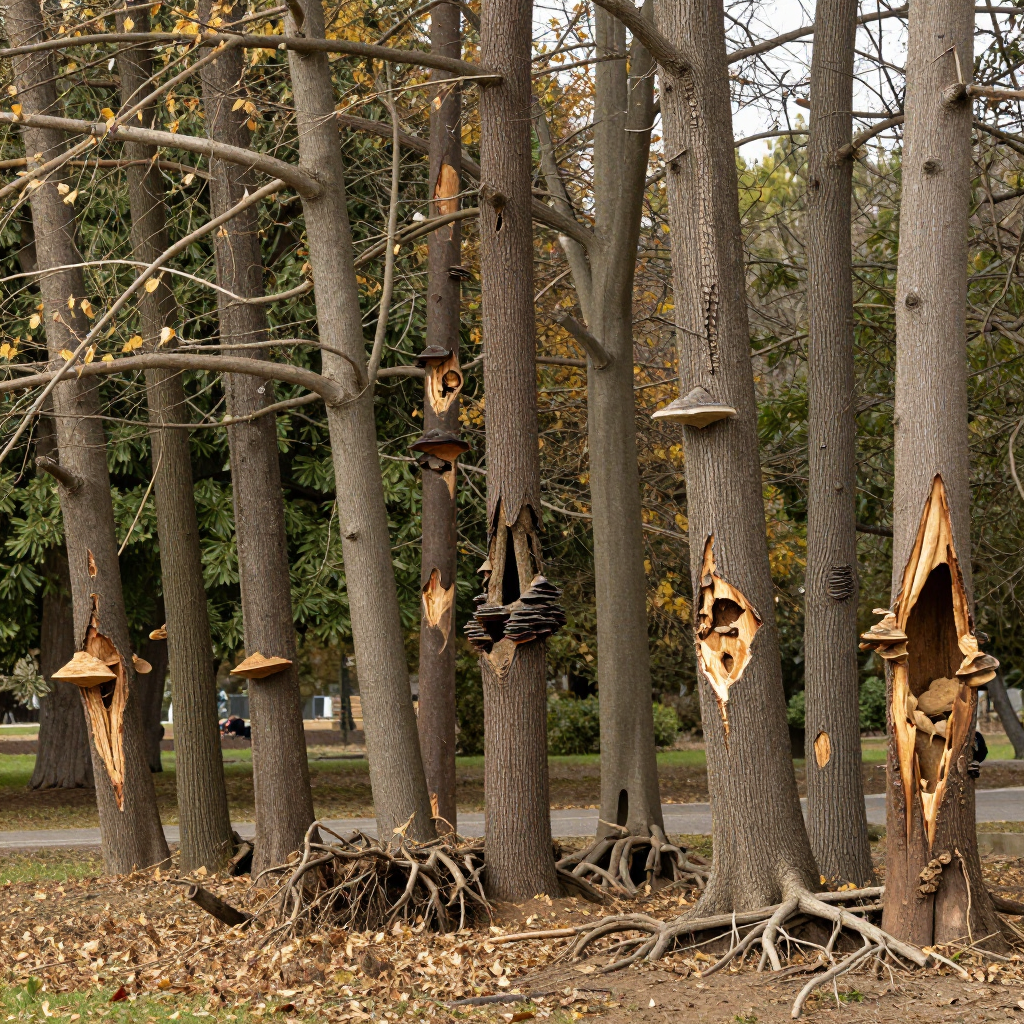
Common Signs of Storm Damage
Broken Limbs
Large branches may remain partially attached and fall without warning.
Leaning Trees
Trees that have shifted significantly after heavy rain or high winds may have damaged root systems.
Split Trunks
A tree with a split trunk often becomes structurally unstable and may require removal.
Exposed Roots
Roots lifted from the ground reduce the tree's ability to remain upright.
Fallen Trees
Trees resting on homes, garages, fences, or vehicles require immediate professional removal.
Avoid walking underneath damaged trees during your inspection.
Document the Damage
Before cleanup begins, take photographs of all visible damage.
Helpful photos include:
- Fallen trees
- Roof damage
- Broken fences
- Damaged vehicles
- Landscaping damage
- Large broken branches
These images may assist your homeowner's insurance provider if you need to file a claim.
Keep records of:
- Date of the storm
- Time damage occurred
- Emergency expenses
- Repair estimates
Taking clear photos before cleanup begins can make the insurance claims process much easier.
Know When to Call an Emergency Tree Service
Some storm damage requires immediate professional attention.
Call Immediately If:
- A tree has fallen on your home
- Branches are hanging over occupied areas
- Trees are blocking access to your property
- The tree is leaning significantly
- The trunk has split
- Power lines are involved
Professional crews have the equipment needed to safely remove hazardous trees without causing additional damage.
Attempting to remove large storm-damaged trees yourself can be extremely dangerous.
Our trained professionals use specialized equipment to safely remove hazardous trees while protecting your home, vehicles, and surrounding landscape.
Should a Storm-Damaged Tree Be Removed?
Not every damaged tree needs to be removed.
Many healthy trees can recover if the damage is limited.
A professional evaluation considers:
- Amount of canopy loss
- Trunk damage
- Root stability
- Tree species
- Overall health
- Future safety risks
Sometimes selective pruning restores the tree's structure, while severe damage may require complete removal.
Our experienced arborists carefully remove damaged and weakened branches to improve tree health while reducing future safety risks.
Prevent Additional Property Damage
Waiting too long after storm damage can make the situation worse.
Damaged trees may continue to:
- Drop heavy limbs
- Lean farther
- Develop decay
- Attract insects
- Damage roofs and gutters
- Block emergency access
Prompt action reduces repair costs and keeps your property safe.
If a tree is beyond saving, immediate removal may be the safest solution.
We safely remove hazardous trees using professional equipment designed to protect nearby homes, driveways, fences, and landscaping.
How Professional Tree Services Help After Storms
Professional tree service companies use specialized equipment designed for hazardous situations.
Services often include:
Emergency Tree Removal
Safely removing fallen or unstable trees.
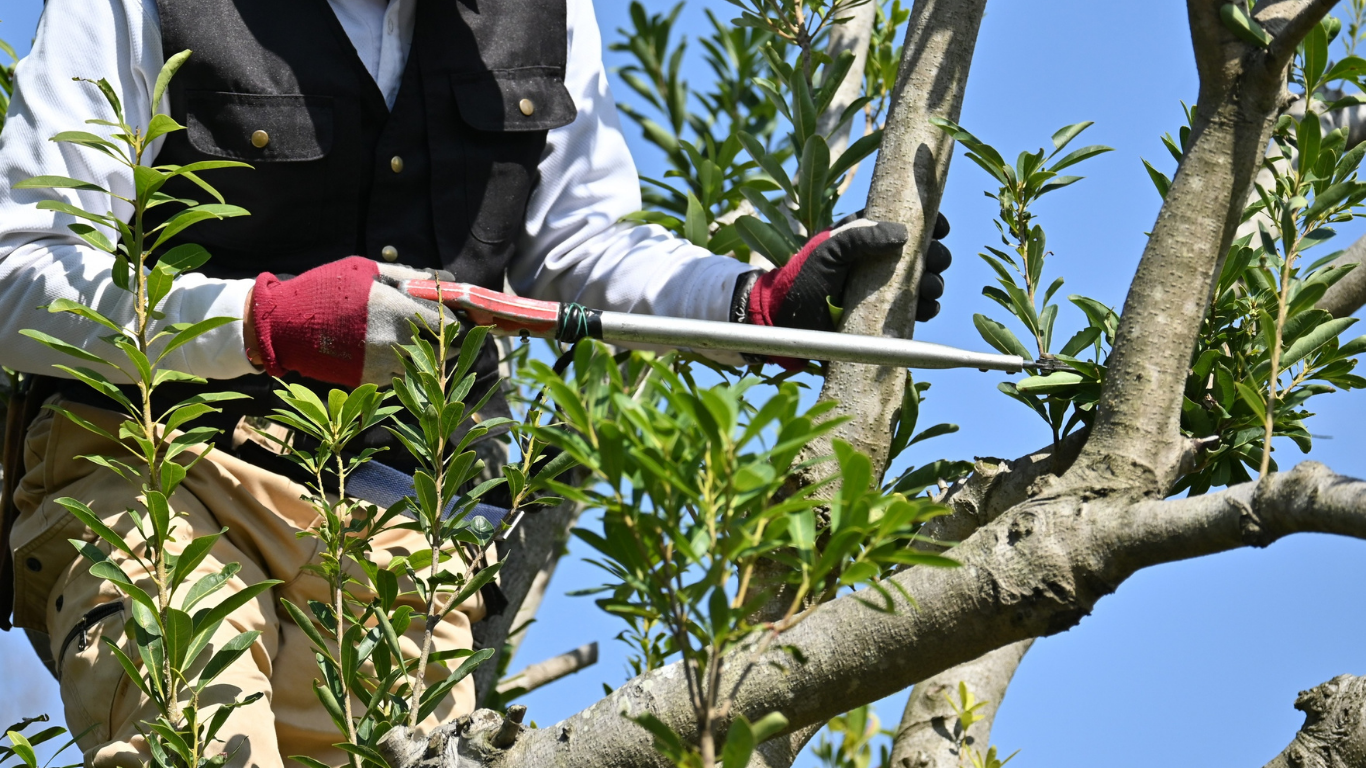
Hazardous Limb Removal
Removing broken limbs still suspended overhead.
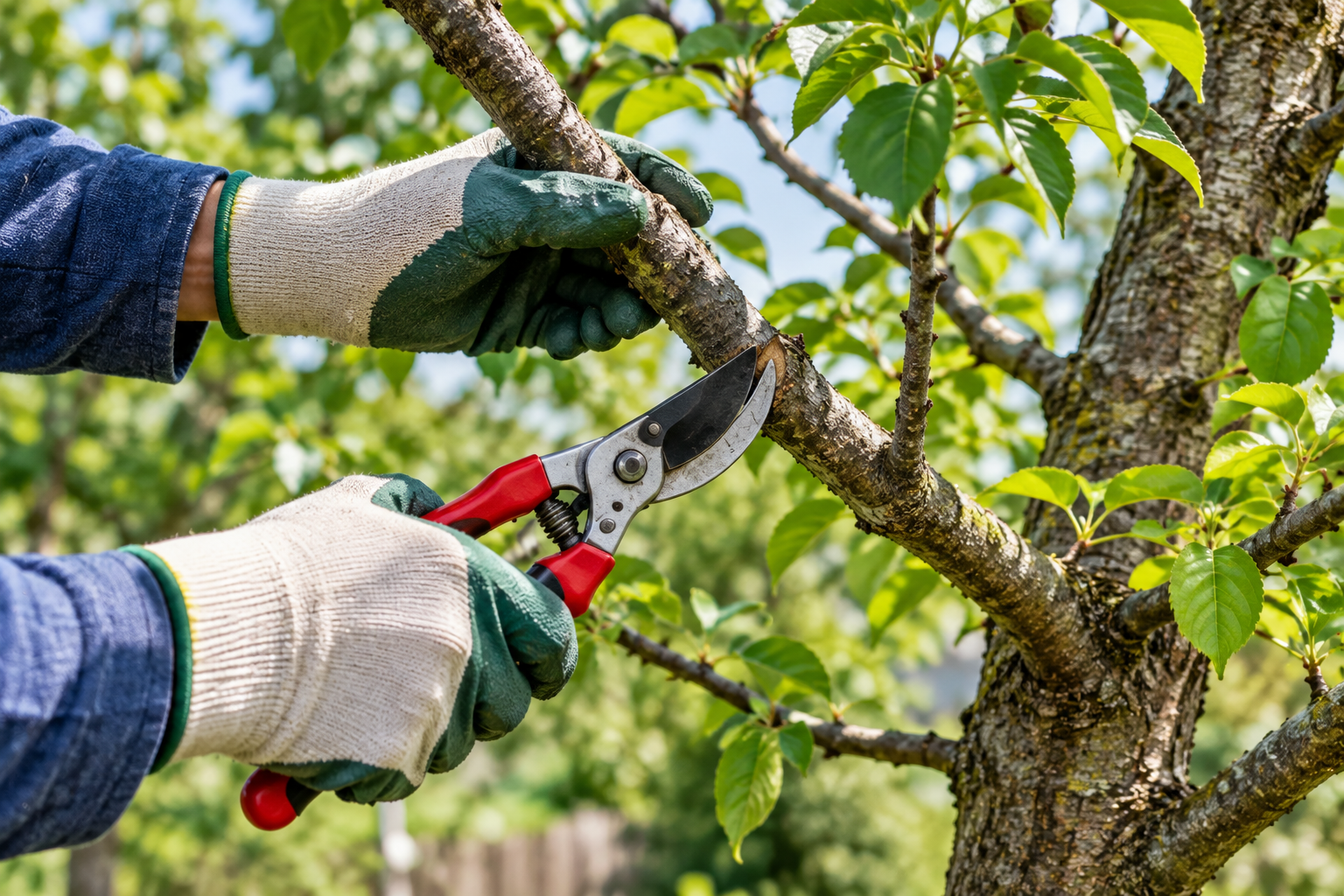
Tree Pruning
Removing damaged branches while preserving healthy growth.
Stump Grinding
Removing stumps if complete tree removal is necessary.
Complete Cleanup
Removing debris and leaving the property clean.
Since 1995, Hardwood Tree Service Corporation has provided emergency storm response throughout Bergen County and Passaic County. Our experienced team is equipped to handle everything from fallen limbs to complex tree removals while prioritizing safety and protecting your property.
Removing the remaining stump after a tree is taken down creates a safer yard, improves curb appeal, and prepares your property for future landscaping projects.
Preparing Your Trees Before the Next Storm
Routine maintenance can reduce storm-related damage.
Professional tree care helps identify:
- Weak branches
- Structural defects
- Diseased limbs
- Root problems
- Overgrown canopies
Preventative pruning removes potential hazards before severe weather arrives.
Annual inspections are especially valuable for mature trees located near homes, driveways, and power lines.
The ISA offers expert guidance on proper tree maintenance, pruning practices, and preventative care to help homeowners reduce storm-related tree damage.
Storm Damage Is Common in Northern New Jersey
Homeowners across Bergen County and Passaic County experience a variety of severe weather events each year, including:
- Thunderstorms
- High winds
- Heavy snow
- Ice storms
- Nor'easters
- Hurricanes and tropical storm remnants
Because these conditions can weaken even healthy trees, regular inspections and prompt post-storm evaluations are essential for protecting your property.
The National Weather Service provides weather alerts, storm safety information, and preparedness tips to help homeowners stay safe before, during, and after severe weather.
Frequently Asked Questions
Should I remove fallen branches myself?
Small branches on open ground may be safe to remove, but avoid cutting large limbs or anything under tension. Always leave hazardous cleanup to professionals.
Can a tree survive storm damage?
Yes. Many trees recover with proper pruning and care. A professional inspection can determine whether the tree can be saved.
What if a tree falls on my house?
Leave the area if necessary, contact your insurance provider, and call an emergency tree service immediately. Avoid attempting removal yourself.
How quickly should storm-damaged trees be inspected?
As soon as it is safe to do so. Prompt inspections help prevent additional damage and identify hazardous conditions.
Do you offer emergency tree service?
Yes. Hardwood Tree Service Corporation provides 24/7 emergency tree services throughout Bergen County and Passaic County for storm-damaged and hazardous trees.
Call Hardwood Tree Service Corporation After Storm Damage
Storm-damaged trees require fast, professional attention to keep your property safe. Whether you need emergency tree removal, hazardous branch removal, tree pruning, or complete storm cleanup, Hardwood Tree Service Corporation is ready to help.
Serving Bergen County and Passaic County, NJ since 1995, our licensed and insured team has the experience and equipment to respond quickly when severe weather strikes.
From routine tree maintenance to emergency storm response, we provide complete tree care solutions for residential and commercial properties throughout northern New Jersey.
Or call
(201) 390-4953 to request your
free estimate or immediate emergency tree service.
Recent Posts