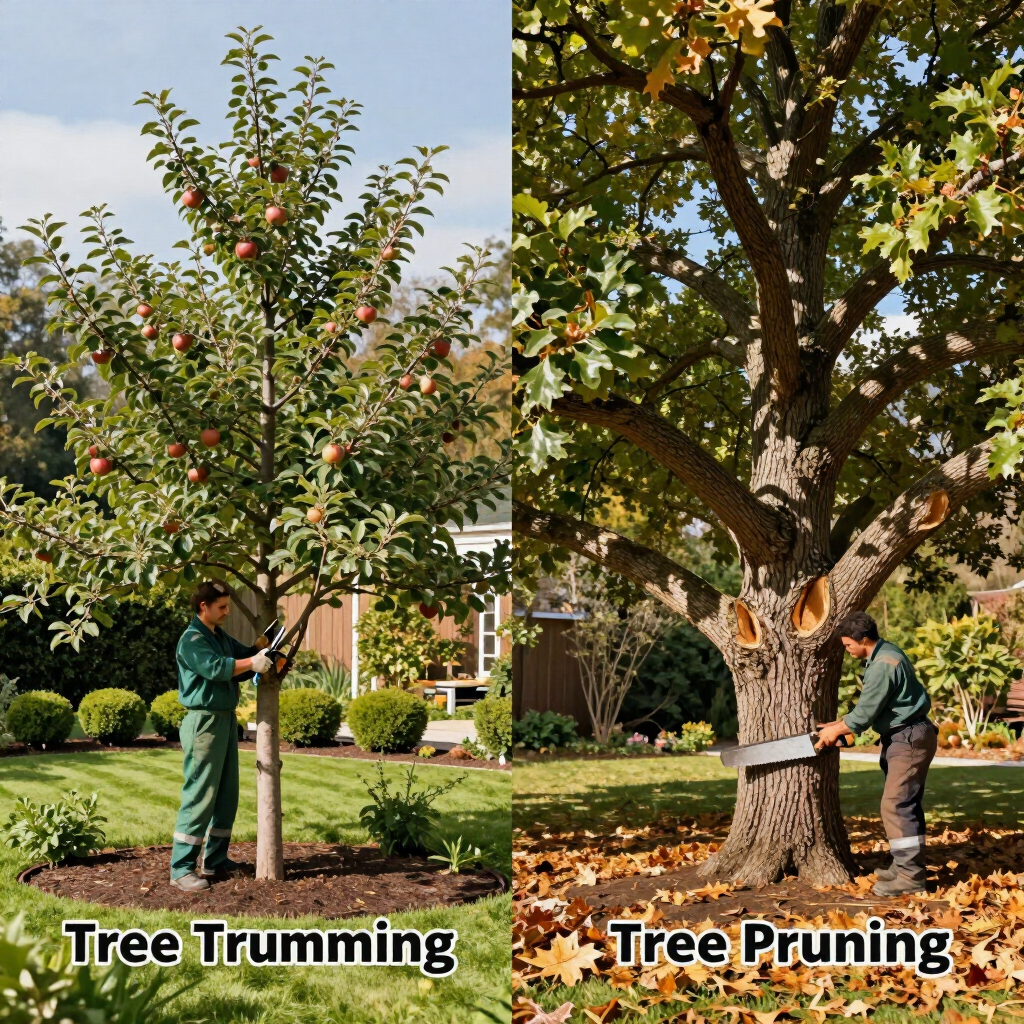
Trees add beauty, shade, and value to your property, but a damaged or unhealthy tree can quickly become a serious safety hazard. Recognizing the warning signs early can help prevent property damage, injuries, and costly emergency tree removal.
If you own a home or business in Bergen County or Passaic County, NJ, knowing when to call a professional tree service can make the difference between routine maintenance and a dangerous emergency.
Why Recognizing Tree Hazards Early Matters
Tree problems often develop slowly, making them easy to miss until significant damage has occurred. Storms, disease, insects, aging, and poor growing conditions can all weaken a tree over time.
Early action can help:
- Protect your home and nearby structures
- Prevent injuries from falling limbs
- Avoid expensive emergency cleanup
- Preserve surrounding healthy trees
- Maintain your property's value
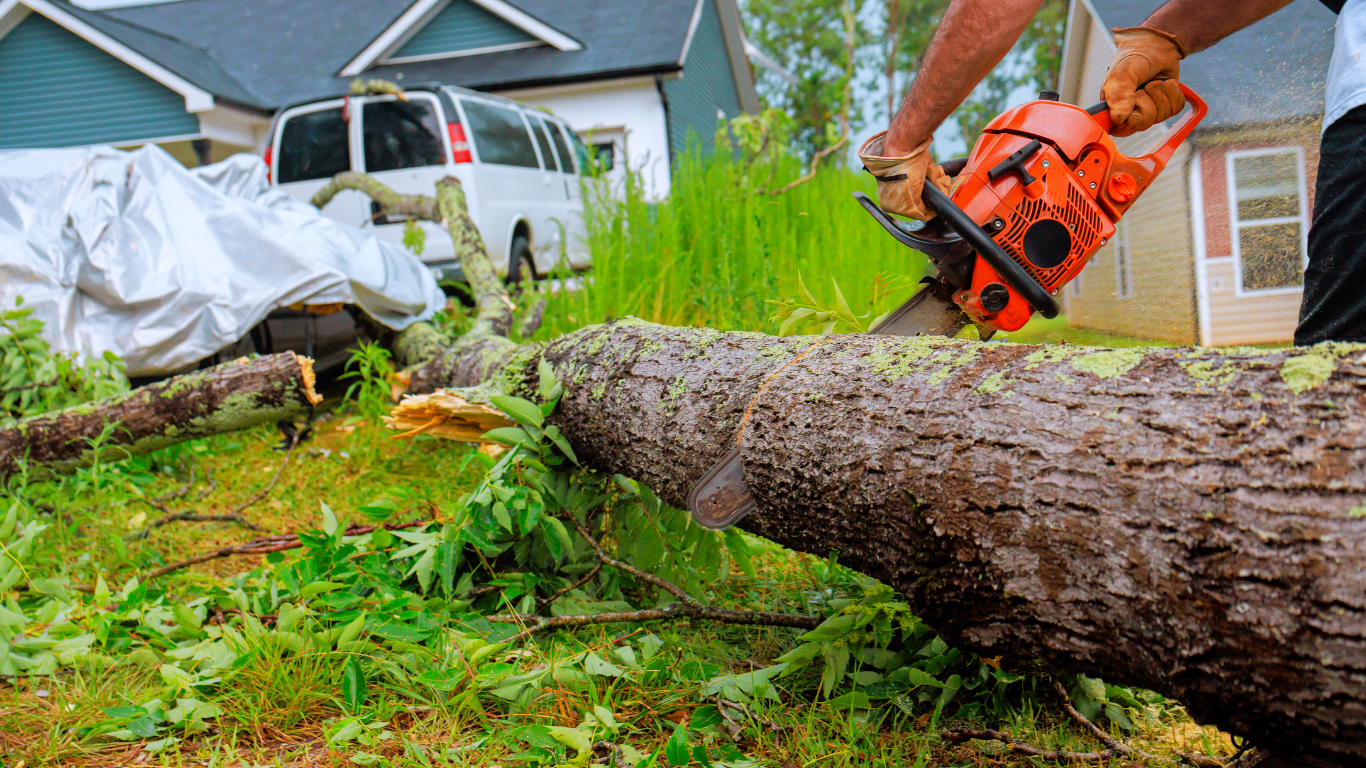
Our experienced team safely removes hazardous trees while protecting your home, landscaping, and surrounding property.
1. The Tree Has Started Leaning
A slight lean isn't always a problem, but a tree that suddenly begins leaning may have root damage or unstable soil.
Watch for:
- Newly exposed roots
- Cracked ground around the base
- Leaning after heavy rain or storms
- The tree shifting toward your home, driveway, or power lines
A sudden lean should always be inspected promptly.
2. Large Dead Branches Keep Falling
Dead limbs become brittle and may fall without warning—even on calm days.
Falling branches can damage roofs, vehicles, fences, and outdoor living areas while creating serious safety hazards for anyone below.
3. The Trunk Has Deep Cracks or Splits
Large cracks, cavities, or vertical splits often indicate internal decay or structural weakness.
These defects make the tree more likely to fail during high winds, heavy snow, or severe storms.
4. Mushrooms or Fungus Are Growing Around the Base
Fungal growth near the trunk or root flare often signals internal decay that isn't visible from the outside.
Warning signs include:
- Shelf fungi
- Mushrooms around the roots
- Soft or spongy wood
- Rotting bark
5. The Tree Has Dead or Bare Branches
If sections of the canopy fail to produce leaves during the growing season, the tree may be declining.
Other warning signs include peeling bark, brittle limbs, sparse foliage, and uneven canopy growth.
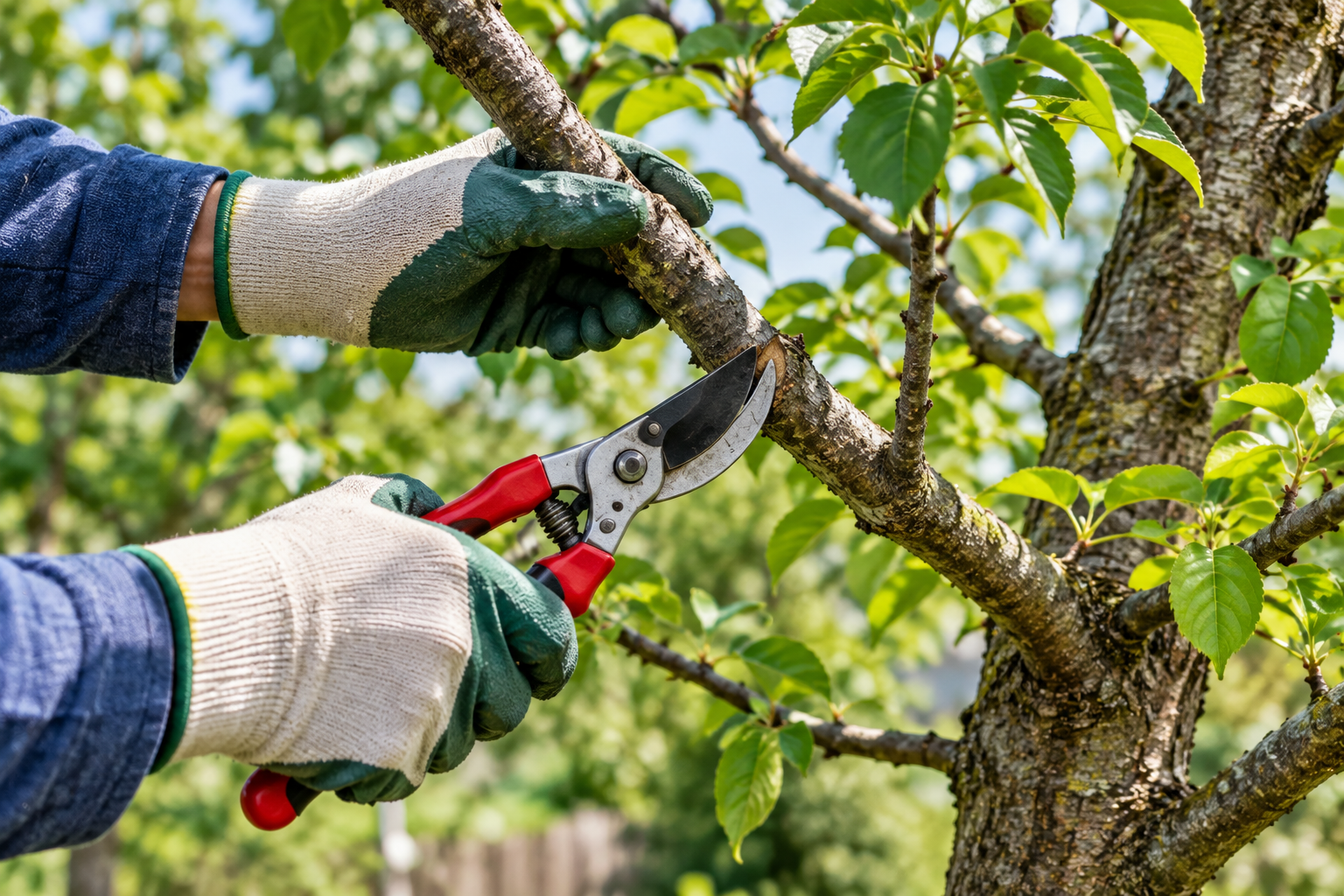
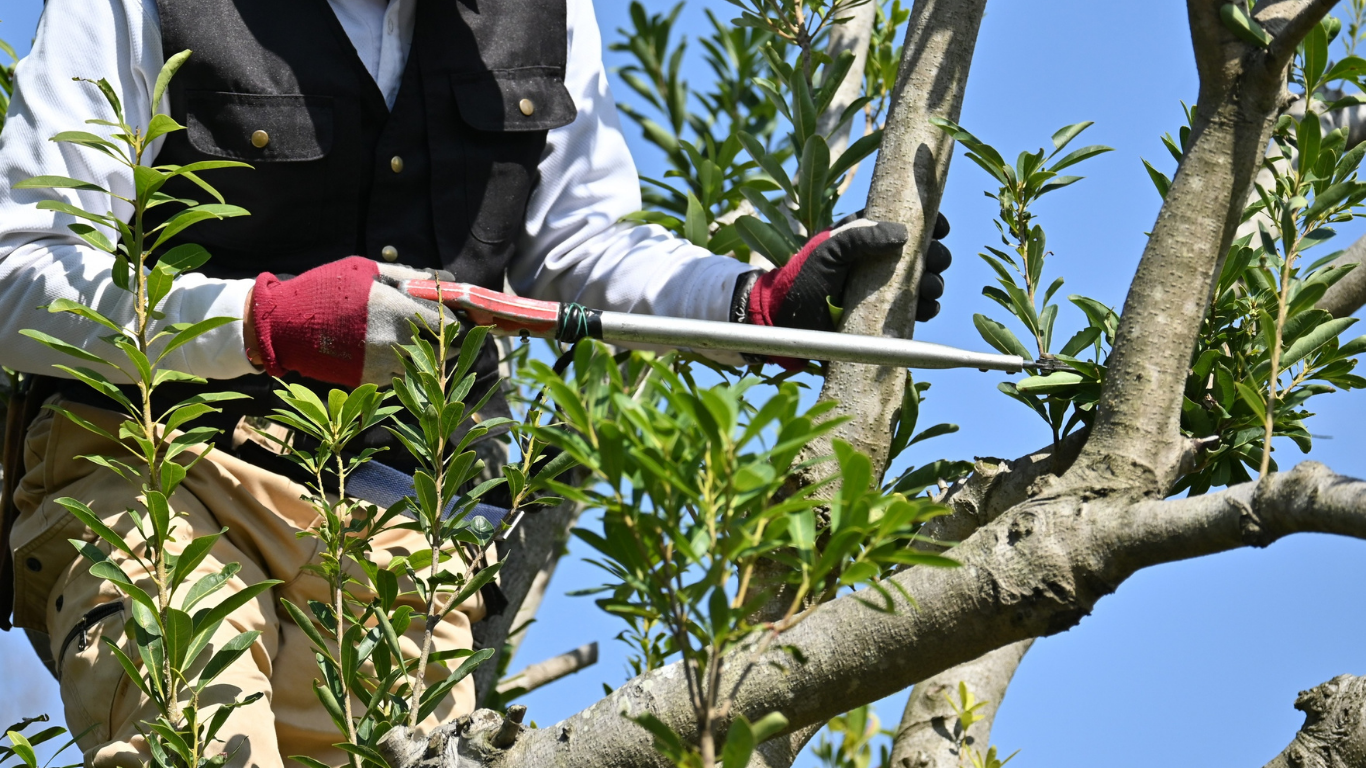
Professional pruning removes dead or damaged branches while improving tree health, appearance, and long-term stability.
6. The Roots Are Damaging Your Property
Aggressive roots can damage sidewalks, driveways, retaining walls, and even foundations.
Look for:
- Lifted pavement
- Cracked concrete
- Exposed roots
- Foundation movement
If root damage is extensive, removal may be the safest long-term solution.
7. Storm Damage Has Weakened the Tree
Strong winds, heavy snow, and nor'easters are common throughout northern New Jersey.
After a storm, inspect your trees for:
- Broken tops
- Hanging limbs
- Split trunks
- Exposed roots
- Increased leaning
Even if the tree remains standing, hidden structural damage can make it unsafe.
8. The Tree Is Hollow
Some mature trees can survive with small hollow sections, but large cavities combined with decay or cracks significantly reduce structural strength.
If you notice extensive hollowing, schedule a professional evaluation.
9. The Tree Is Dead
A dead tree quickly becomes unstable as it decays.
Common signs include:
- No leaves during the growing season
- Bark falling away
- Dead limbs throughout the canopy
- Fungal growth
- Brittle wood
Dead trees located near homes, roads, or neighboring properties should be removed as soon as possible.
10. The Tree Is Too Close to Structures
As trees mature, branches and roots continue expanding.
Trees growing too close to homes or other structures may:
- Damage roofs and gutters
- Scratch siding
- Interfere with power lines
- Lift sidewalks
- Affect foundations
Removing an overcrowded tree can help protect your property and reduce future maintenance costs.
Why Professional Tree Removal Matters
Tree removal requires specialized equipment, careful planning, and trained professionals.
Hiring a licensed and insured tree company helps ensure:
- Safe removal techniques
- Protection of nearby structures
- Complete debris cleanup
- Proper equipment use
- Compliance with industry safety standards
Since 1995, Hardwood Tree Service Corporation has safely removed hazardous trees throughout Bergen County and Passaic County, NJ. Our team is licensed and insured, a Licensed Tree Care Operator (#395), and a proud member of the Tree Care Industry Association (TCIA).
Frequently Asked Questions
How do I know if my tree should be removed?
Trees that are dead, severely leaning, cracked, hollow, or suffering from advanced decay should be inspected by a professional to determine whether removal is necessary.
Can a damaged tree be saved?
Sometimes. Minor damage may be corrected through pruning, while trees with extensive trunk or root damage often require removal.
Is it dangerous to remove a tree myself?
Yes. Tree removal involves significant risks, especially near homes, utility lines, or neighboring properties. Professional equipment and training are essential.
Do you provide emergency tree removal?
Yes. Hardwood Tree Service Corporation offers 24/7 emergency tree services throughout Bergen County and Passaic County for storm-damaged and hazardous trees.
Protect Your Property with Expert Tree Care
A hazardous tree can quickly become a costly and dangerous problem if left unaddressed. If you've noticed any of these warning signs, don't wait for severe weather to make the situation worse.
Hardwood Tree Service Corporation has proudly served Bergen County and Passaic County, NJ, since 1995, providing expert tree removal, tree pruning, stump grinding, lot clearing, commercial tree services, and 24/7 emergency response.